
Finland’s power system is entering a new phase in which large electricity consumers play an increasingly important role. Data centers, electric boilers and other industrial loads are no longer just end‑users of electricity – they are becoming system‑relevant actors whose behavior directly affects grid stability and security of supply.
This shift is also reflected in the requirements set by Fingrid, Finland’s transmission system operator. Whereas large demand connections were previously treated largely as static loads, they are now expected to demonstrate predictable behavior, disturbance tolerance and technical transparency already at the grid connection stage.
Demand is no longer invisible to the grid
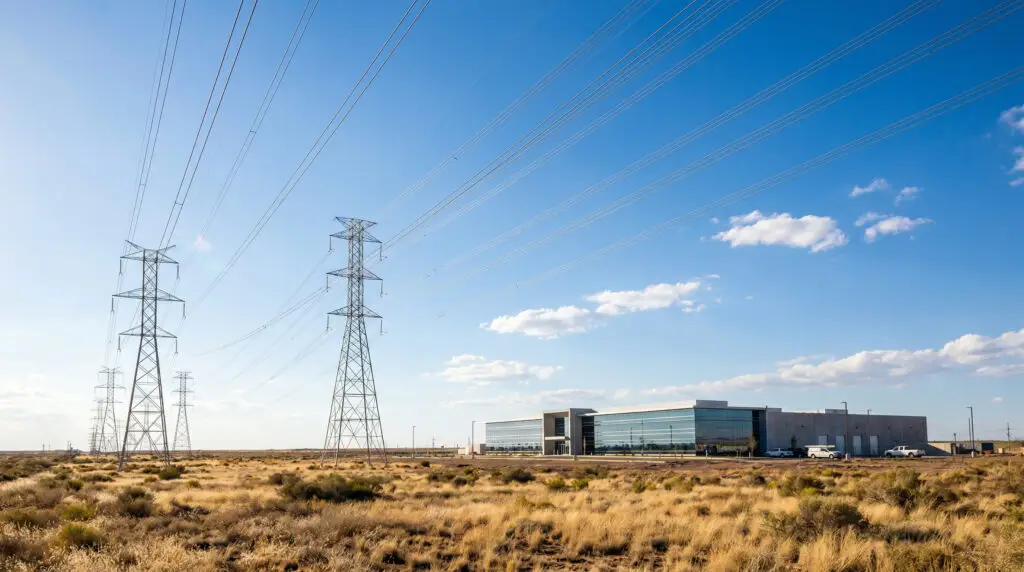
In large data center projects, individual connection capacities can reach hundreds of megawatts – comparable to the electricity demand of a mid‑sized city. Their impact extends from local distribution networks all the way to the transmission grid.
From Fingrid’s perspective, the critical question is not only how much electricity is consumed, but how the load behaves under different operating conditions, such as:
- frequency and voltage disturbances
- grid fault situations
- imbalances between generation and consumption
Data centres rely heavily on power‑electronic solutions, including UPS systems, transformers and sometimes on‑site generation or storage. This makes their dynamic interaction with the power system a key focus area in grid studies.
Grid Code requirements affect data center design earlier than before
Fingrid’s technical Grid Code requirements for demand connections (KJV) are currently being updated. The upcoming KJV framework aims to ensure that large loads:
- remain connected during common grid disturbances
- do not introduce harmful dynamic effects
- can be reliably represented in power system simulations
In practice, this means that power system analysis can no longer be postponed to the final permitting phase. Instead, it has become a core design activity already at the early stages of the project.
Simulation and modelling separate successful projects from delayed ones
One of the most significant changes in data center grid connections relates to simulation requirements. Fingrid increasingly expects detailed dynamic models that demonstrate how a large load interacts with the grid in various scenarios.
Insufficient modelling is often identified late in the connection process, when corrective actions have major cost and schedule impacts. Early‑stage system studies, by contrast, enable:
- timely identification of grid risks
- optimisation of technical solutions
- smoother interaction with Fingrid and grid operators
Ampner supports data centres in a changing regulatory landscape
Ampner has more than a decade of experience in demanding grid connection and simulation projects across renewable generation and battery energy storage. This system‑level expertise is directly applicable to large demand facilities such as data centers.
Ampner supports data center projects with:
- dynamic power system simulations
- Grid Code‑compliant modelling
- protection and network solution analysis
- technical support throughout the grid connection process
By engaging early in project development, Ampner helps ensure that data center connections meet both current and upcoming Fingrid requirements, avoiding unexpected challenges in critical project phases.
The power system needs predictable large‑scale consumers. As the role of data centers continues to evolve, Ampner is ready to support this transition with proven expertise and system‑level insight.