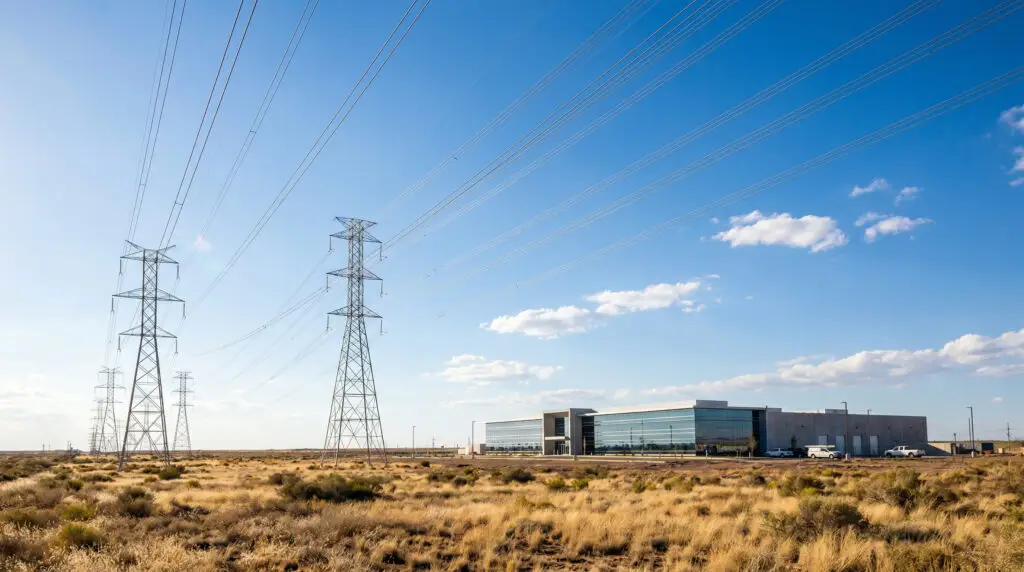
The energy transition is rapidly changing how large electricity consumers connect to the grid. One of the most significant developments is the growing role of data centers – and the rising expectations placed on their electrical performance. At Ampner, we see this shift clearly in our daily work.
From Passive Loads to Active Grid Participants
Traditionally, large electricity users such as data centers were treated as passive loads. Their role was simple: consume power when available and disconnect during disturbances if necessary. That assumption no longer holds.
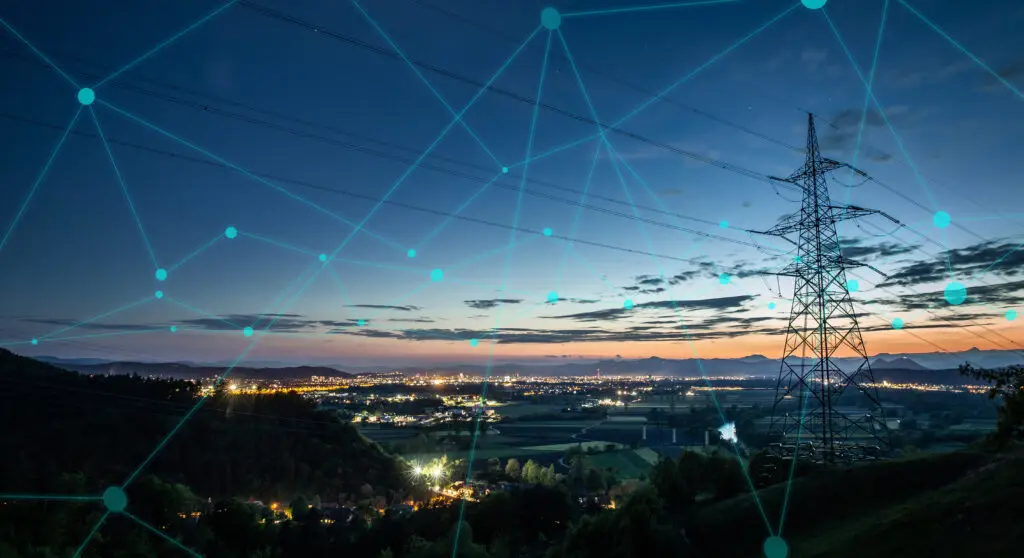
As power systems integrate more inverter-based renewable generation, system inertia decreases and stability becomes more sensitive to disturbances. At the same time, demand is becoming increasingly concentrated, with individual facilities reaching tens or even hundreds of megawatts. In this context, large demand facilities are now expected to actively support grid stability.
What is Changing with KJV2026
Fingrid’s upcoming Grid Code Specifications for Demand Connections (KJV2026) introduces a new level of technical expectations for large loads such as data centers. Key requirements include:
- Fault Ride-Through (FRT): Facilities must remain connected during faults, including severe voltage dips – for example, riding through dips down to 5% of nominal voltage for up to 150 ms.
- Fast recovery: power consumption must recover quickly after disturbances – within approximately three seconds of fault clearance.
- Controllability: the ability to limit or adjust consumption based on grid-operator signals.
- Visibility: continuous monitoring and the provision of accurate, validated simulation models.
In practice, this means data centres are no longer just loads – they must meet performance requirements traditionally reserved for generators.
Why Modeling Is Becoming Critical
Meeting these requirements demands a fundamental shift in how projects are designed and validated. Grid connection used to be primarily about electrical design and connection studies. It now also requires detailed dynamic modeling, validated simulation models, and comprehensive technical data drawn from multiple systems.
Fingrid’s process already requires submission of detailed system information – including transformers, compensation equipment, and operational characteristics – and in many cases simulation models for converter-based systems are mandatory.
Expanding Scope: Beyond Inverters
One of the most important, and often underestimated, changes is the expansion of modeling requirements. In the past, modeling focused almost exclusively on generators and inverter-based production systems. Going forward, we expect requirements to extend to the demand side as well, including:
- frequency-converter-driven chillers
- pump systems and auxiliary processes
- large UPS systems and internal power distribution
- integrated control and automation systems
This reflects a broader industry realisation: the behavior of every major electrical component matters for system stability. Large inverter-based loads can significantly influence voltage, frequency, and fault response, and must therefore be properly understood and represented in studies.
What This Means for Projects
For developers and technology suppliers, this shift brings both risks and opportunities.
Risks:
- missing or incomplete modeling data can delay projects
- late-stage compliance issues can increase costs
- misalignment between stakeholders may force redesign
Opportunities:
- early consideration of requirements improves project timelines
- well-prepared models enable smoother grid-connection approval
- advanced modeling reduces technical uncertainty
At Ampner, we emphasise early-phase clarity: understanding the requirements before equipment selection, aligning the modeling approach with grid-code expectations, and making sure every stakeholder is prepared for the compliance process.
How Ampner Supports These Projects
In practice, our work follows the project from start to finish:
- Early feasibility – clarifying which requirements apply and what they mean for the design.
- Modeling and simulation – building and validating dynamic models of the facility’s key electrical systems.
- Compliance studies – running the analyses Fingrid requires for grid connection.
- Validation and submission – preparing the documentation and validated models for approval.
By bringing this clarity early, we help clients avoid late-stage surprises and keep grid connection on schedule.
Looking Ahead
The direction is clear: as the energy system evolves, the boundary between generation and consumption is becoming less defined. Large data centers, industrial loads, and hybrid systems will play an increasingly active role in maintaining grid stability, while technical requirements continue to evolve toward greater emphasis on modeling, data transparency, and system-level understanding.
For project developers and equipment suppliers alike, the key question is no longer whether these requirements will apply – but how early they are addressed.
About Ampner
Ampner specialises in power system studies, modeling, and grid compliance for demanding projects. We support our clients throughout the entire grid-connection process – from early feasibility through modeling and compliance studies to final validation – helping them meet evolving grid-code requirements with confidence.